
Millions of Americans rely on morning coffee for energy, yet research shows caffeine—especially when consumed first thing—can disrupt hormones, digestion, blood sugar, and sleep. This article explains why your morning coffee might be secretly undermining your health, how to recognize the signs, and what evidence-based alternatives or timing adjustments can improve your energy naturally. Expert insights, real-life examples, and practical strategies included.
Introduction
Coffee is more than a drink in the United States—it’s a daily ritual, a comfort, and for many, a necessity. According to the National Coffee Association, over 70% of adults drink coffee daily, with most consuming it as soon as they wake up. But what if this beloved habit is quietly harming your energy, increasing stress, or upsetting your digestion?
Recent findings from Harvard Health, the Mayo Clinic, and the American Journal of Clinical Nutrition suggest that when you drink coffee, how you drink it, and even what’s in it can significantly influence your body’s health. For many people, drinking coffee first thing in the morning—especially on an empty stomach—may be working against their biological rhythms.
This doesn’t mean coffee is unhealthy. It means you might be drinking it the wrong way for your body.
This article will help you recognize the hidden signs, understand the physiological impact, and adopt healthier alternatives or adjustments so you can enjoy coffee without the negative effects. Packed with real-life examples and actionable solutions, this guide brings clarity to a daily ritual millions of people rely on.
Is Your Morning Coffee Actually Ruining Your Health?
Many people assume that the immediate burst of energy they feel from coffee is evidence that it’s “working.” But that boost often masks deeper issues—hormonal spikes, blood sugar crashes, digestive irritation, and heightened anxiety.
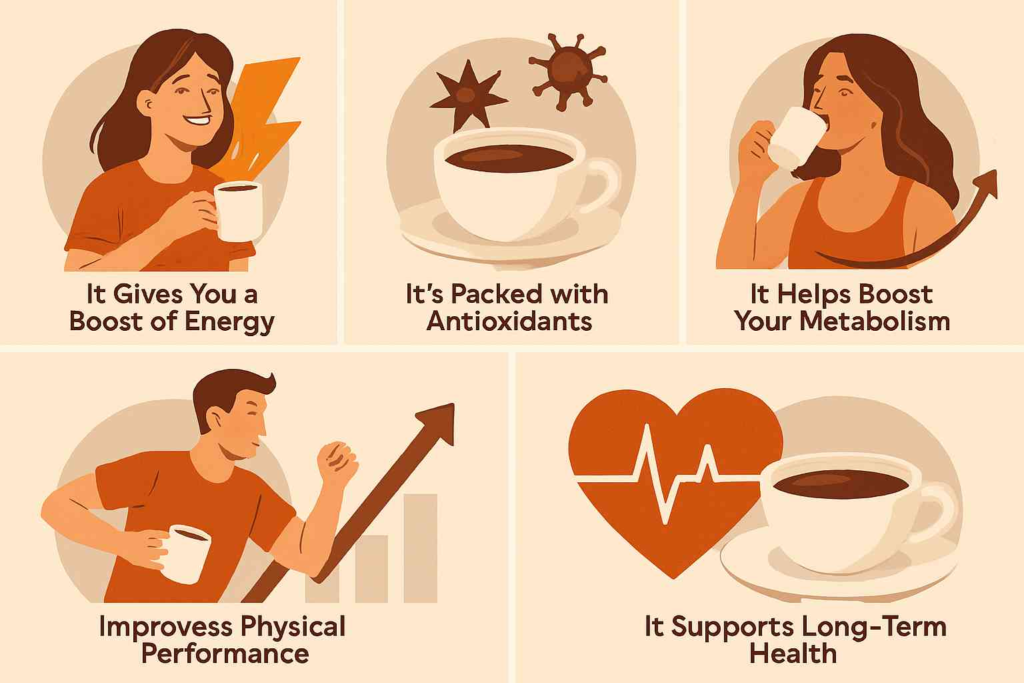
What makes this especially confusing is that coffee can offer benefits: improved cognitive performance, antioxidants, and metabolic support. The problem isn’t the drink—it’s the timing and method of consumption. Your body has a natural morning rhythm, and coffee can disrupt it when consumed too early.
Let’s explore what’s actually happening inside your body.
What Happens When You Drink Coffee First Thing in the Morning?
1. It Disrupts Natural Cortisol Levels
Cortisol, your “alertness hormone,” naturally peaks within 30–45 minutes after waking. This is part of your circadian rhythm. However, when you drink coffee immediately, caffeine artificially elevates cortisol even further. Chronic overstimulation of cortisol is associated with:
- Increased stress and anxiety
- Elevated blood pressure
- Fat accumulation (especially around the waistline)
- Sleep disturbances
- Hormonal imbalance
A study published in Psychosomatic Medicine found caffeine can raise cortisol by up to 30% in some individuals—especially when consumed early in the morning.
Real-life example:
Emily, a 31-year-old accountant, experienced morning jitters, a racing mind, and afternoon crashes. Her nutritionist simply asked her to delay her coffee by 60–90 minutes and have a small snack first. Within two weeks, her anxiety levels dropped significantly.
2. It Causes Blood Sugar Instability
Caffeine has been shown to reduce insulin sensitivity—even in healthy adults. This means your body may struggle to regulate blood sugar after drinking coffee, especially if consumed without breakfast.
This leads to:
- Sudden bursts of energy
- Sharp crashes mid-morning
- Mood swings
- Midday cravings
- Foggy concentration
The American Journal of Clinical Nutrition reports that caffeine can impair glucose metabolism for hours. Your “crash” isn’t a lack of motivation—it may be your blood sugar falling rapidly.
3. It Irritates Your Stomach and Digestive System
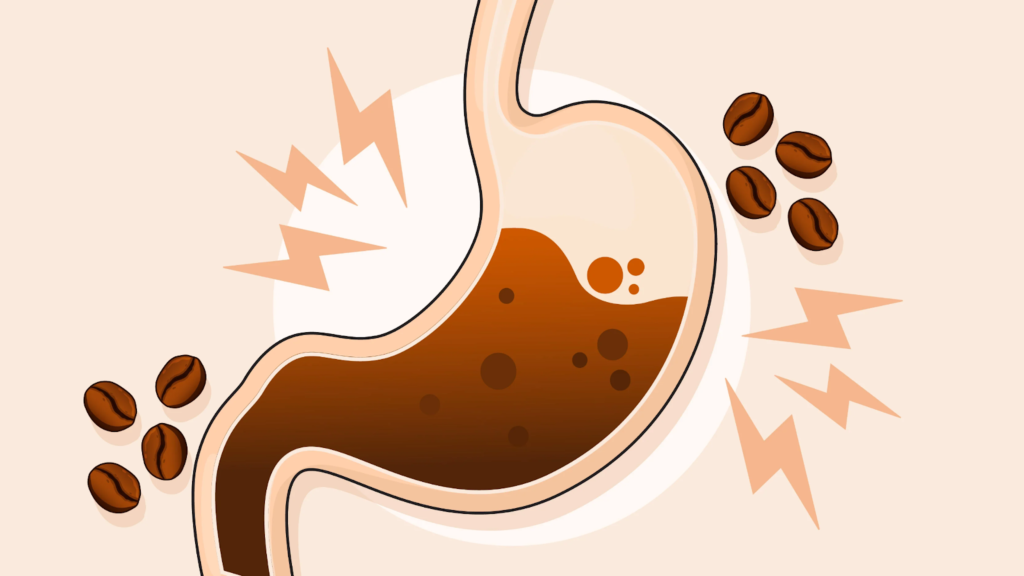
Coffee stimulates stomach acid—a good thing when paired with food, but harmful on an empty stomach.
Common digestive reactions include:
- Bloating
- Acid reflux
- Heartburn
- IBS flare-ups
- Stomach cramps
Nearly 40% of Americans have some digestive sensitivity to coffee, and drinking it before eating intensifies the issue.
4. It Can Disrupt Your Sleep—Even When Drunk Early
People often assume coffee consumed at 7–8 AM has no effect on sleep. But caffeine’s half-life is 5–6 hours, meaning it stays in your system far longer than expected.
Studies from Sleep Foundation show that caffeine—even early—can:
- Reduce deep sleep
- Delay melatonin
- Lower sleep quality
- Increase nighttime awakenings
If you “never feel rested,” your morning coffee could be part of the puzzle.
Why Do Some People Feel Worse After Coffee?
Whether you thrive or crash after coffee often comes down to genetics—particularly the CYP1A2 gene, which determines how fast your body breaks down caffeine.
Over half the population are slow caffeine metabolizers.
Slow metabolizers experience:
- Stronger jitters
- Racing heart
- Anxiety
- Sweating
- Digestive upset
- Irritability
If these symptoms sound familiar, it’s not “in your head”—it’s in your genes.
Are You Drinking Coffee the Wrong Way? (Warning Signs)
If any of the following sound familiar, your coffee routine may be hurting you:
- Jitters or shakiness
- Mid-morning crashes
- Stomach pain or reflux
- Anxiety spikes
- Irritability before lunch
- Sweaty palms or racing heart
- Feeling “on edge”
- Fatigue after the caffeine wears off
- Trouble sleeping despite being tired
These signs indicate misaligned timing or sensitivity.
What Should You Do Instead? Healthier Ways to Enjoy Coffee
You don’t have to quit coffee to avoid the negative effects. You simply need a strategy.
Below are the best science-backed adjustments.
Best Practices Before Drinking Coffee
1. Start With Hydration
Dehydration intensifies caffeine’s negative effects.
Try one of the following:
- Warm water
- Lemon water
- Water + a pinch of sea salt
- Electrolyte drink
This stabilizes your system before caffeine enters.
2. Eat a Small Snack Before Coffee
Even light food buffers acidity and improves hormonal balance.
Quick options:
- Greek yogurt
- Almonds
- A banana
- Peanut-butter toast
- Oatmeal
Food flattens blood sugar spikes and keeps energy consistent.
3. Delay Coffee by 60–90 Minutes
When cortisol drops naturally, coffee becomes a smoother energy enhancer instead of a stress amplifier.
Delaying your first cup is one of the most effective ways to reduce anxiety.
Alternatives for People Who Want Energy Without the Downsides
If coffee hits you hard, consider gentler options.
1. Matcha Green Tea
Contains L-theanine for calm alertness.
2. Chicory Root Coffee
Rich flavor, no caffeine.
3. MCT or Collagen Coffee
Provides slower energy release.
4. Rooibos or Herbal Tonics
Caffeine-free yet energizing.
5. Caffeine Micro-Dosing
Small sips over hours reduce the crash.
How to Keep Enjoying Coffee Without Giving It Up
You can keep your coffee—just update your habits:
- Drink coffee after breakfast, not before
- Choose medium roast for lower acidity
- Add a healthy fat (MCT, almond milk, coconut milk)
- Limit caffeine to 1–2 cups per day
- Avoid caffeine after 2 PM
- Reduce sugar and flavored syrups
These small adjustments make a huge difference.
Do Coffee Additives Actually Make It Healthier?
Some additives support energy stability; others work against you.
Helpful Additives
- Cinnamon (improves glucose response)
- Collagen powder
- MCT oil
- Almond or oat milk
Avoid When Possible
- Artificial creamers
- Excess sugar
- High-lactose dairy (if sensitive)
- Chemical syrups
Trending FAQs: What People Are Asking About Morning Coffee
1. Why do I feel shaky after drinking coffee?
Because caffeine spikes cortisol and affects blood sugar—especially without food.
2. Is drinking coffee on an empty stomach harmful?
For many people, yes. It can cause acid issues, anxiety, and energy crashes.
3. Why do I crash after coffee?
Your blood sugar drops rapidly after the caffeine-induced spike.
4. Can coffee increase anxiety?
Yes. Caffeine raises cortisol and adrenaline—both linked to anxious feelings.
5. When is the best time to drink coffee?
60–90 minutes after waking, ideally after eating something.
6. Why does coffee hurt my stomach?
The acidity triggers stomach acid production and relaxes digestive sphincters.
7. Is decaf better for sensitive people?
Yes. It reduces caffeine’s impact while offering antioxidants.
8. How many cups of coffee are safe per day?
Most guidelines suggest up to 400 mg of caffeine—about 2–3 cups—but individual tolerance varies.
9. Can caffeine affect weight?
Yes. It can increase cravings when it destabilizes blood sugar.
10. Should I give up coffee entirely?
Not necessarily. Adjust timing, quantity, and habits first.
11. Does delaying coffee really help?
Research suggests delaying helps align caffeine with natural cortisol rhythms.
12. Are energy drinks worse than coffee?
Usually yes—they contain added sugar, chemicals, and excessive caffeine.
Final Takeaway: Coffee Isn’t Your Enemy—Your Routine Is
Most people don’t need to quit coffee. They just need to change their relationship with it.
When you time it correctly, support your body with food and hydration, and choose the right type of coffee, you regain steady energy, reduce anxiety, support healthy digestion, and sleep better.
The goal is simple:
Drink coffee in a way that works with your biology—not against it.
With small adjustments, you can still enjoy your morning ritual without the hidden side effects.