
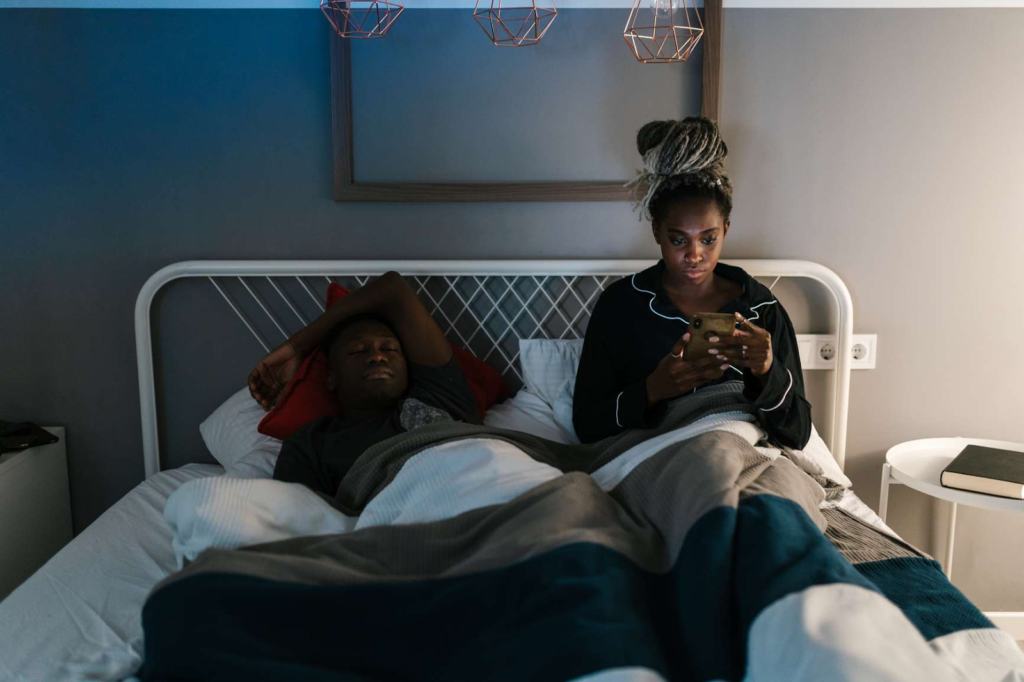
Doctors across the United States are raising concerns about a widely overlooked habit that is harming Americans more than most realize: staying up late and sacrificing sleep, especially due to late-night screen use. Research shows this behavior disrupts hormones, weakens immunity, raises anxiety, and affects long-term health. This article explains why this habit is so dangerous, how to recognize hidden symptoms, and what you can do instead to restore your wellbeing quickly.
Introduction
If you asked most people what the most dangerous modern habits are, they’d likely mention overeating, stress, or lack of exercise. Yet according to leading experts, neurologists, and sleep physicians, there is one silent habit that’s doing far more damage than most people realize: staying up late every night and scrolling your phone into the early hours.
This is the habit doctors across the U.S. are quietly begging patients to stop.
And the truth is shocking.
For years, Americans have normalized sacrificing sleep. Artificial light, streaming platforms, social media, and the pressure to “do more” have pulled people away from rest and pushed them toward an unhealthy lifestyle without even noticing it. The result is a silent epidemic of sleep deprivation making people tired, irritable, overweight, inflamed, forgetful, anxious, and hormonally imbalanced — often without knowing the root cause.
Research from Harvard Medical School, Stanford Medicine, the CDC, and Sleep Foundation all confirm that the chronic habit of staying up late is now one of the leading hidden contributors to poor mental and physical health across the U.S.
Why Are Doctors Urging Americans to Stop Staying Up Late?
Doctors are sounding the alarm because sleep deprivation is no longer occasional — it’s chronic. According to the CDC, 35% of American adults get less than 7 hours of sleep per night, the minimum recommended for proper mental and physical function. Even more concerning, the biggest reason isn’t work stress or obligations — it’s late-night screen use.
Phones, tablets, and TVs release blue light that confuses your brain into staying awake, delays sleep cycles, and overstimulates your nervous system. This leads to “revenge bedtime procrastination,” where people sacrifice sleep to reclaim personal time at night.
The problem?
Your health pays the price — immediately and long-term.
What Really Happens to Your Body When You Stay Up Late?
Most people underestimate the health consequences of staying up late because the damage builds slowly. But inside the body, the effects begin within hours.
1. Melatonin Production Is Blocked
Melatonin is the hormone responsible for making you feel sleepy. Blue light from screens suppresses melatonin production by up to 50%, according to a Harvard study. Even 30 minutes of scrolling before bed can delay your sleep cycle by hours.
The result:
- Difficulty falling asleep
- Tossing and turning
- Waking up exhausted
2. Cortisol (Stress Hormone) Increases Dramatically
Staying up late keeps cortisol — your stress hormone — artificially high. Chronic cortisol elevation contributes to:
- Weight gain
- Anxiety and irritability
- High blood pressure
- Poor concentration
- Insulin resistance
A Stanford study found that sleep deprivation raises cortisol by 30–37%, even in otherwise healthy adults.
3. Your Brain’s Glymphatic System Fails to Clean Itself
Deep sleep allows your brain to clear toxins, including proteins linked to Alzheimer’s disease. When you stay up late, this detoxification doesn’t happen.
Consequences include:
- Memory issues
- Brain fog
- Decreased focus
- Mood swings
- Higher dementia risk over time
4. Your Appetite Hormones Become Imbalanced
Poor sleep disrupts ghrelin and leptin — the hormones responsible for hunger and fullness. This often leads to:
- Late-night snacking
- Cravings for sugar and carbs
- Weight gain, especially around the belly
- Increased appetite throughout the next day
Studies show sleep-deprived individuals consume 300–500 more calories daily without realizing it.
5. Your Immune System Weakens
Getting less than 6 hours of sleep per night makes you four times more likely to catch a cold, according to the University of California, San Francisco.
Your body becomes less able to fight infections, inflammation increases, and recovery becomes slower.
What Are the Hidden Signs That Staying Up Late Is Damaging Your Health?
People often blame stress or aging for symptoms that are actually caused by poor sleep.
Doctors say the most common warning signs include:
- Constant fatigue
- Difficulty waking up
- Needing coffee just to function
- Mood swings or irritability
- Frequent colds or illness
- Overeating or late-night snacking
- Feeling “wired but tired”
- Brain fog and forgetfulness
- Weight gain despite trying to eat well
If you experience three or more of these symptoms, your habit of staying up late may be harming you more than you think.
Why Do Americans Keep Staying Up Late Even When They Know It’s Bad?
This question has been heavily researched, and doctors point to three main reasons:
1. Dopamine Addiction
Scrolling on social media triggers small dopamine releases that make you feel rewarded — keeping your brain engaged long after it should be resting.
2. Revenge Bedtime Procrastination
After stressful or busy days, Americans crave personal time and stay up late as a form of psychological compensation.
3. Underestimating Sleep Needs
Many adults falsely believe they can function on 4–6 hours of sleep.
But long-term studies show most people need 7–9 hours consistently.
Real-life example:
Jason, a 38-year-old software engineer, stayed up nightly until 2 AM watching YouTube and TikTok. He believed he was just “unproductive and tired.” After changing his habit and sleeping by 10:30 PM, he found his mood, weight, and productivity improved dramatically — within only two weeks.
What Happens When You Start Prioritizing Sleep?
Doctors report that improvements begin in as little as 7 days, including:
- Better digestion
- Fewer cravings
- Improved focus
- More stable mood
- Faster metabolism
- Reduced anxiety
- Glowing skin
- Stronger immunity
- Higher productivity
Patients often say they feel like “a whole new person” after fixing their sleep schedule.
What Should You Do Instead? Doctor-Approved Solutions
Doctors recommend small lifestyle adjustments that make huge differences.
1. Set a Digital Curfew
Turn off screens 60 minutes before bed.
2. Switch to Warm or Amber Lighting
Blue light is melatonin’s enemy.
3. Keep a Consistent Bedtime
The body thrives on routine.
4. Avoid Heavy Late-Night Meals
Digesting food interferes with restful sleep.
5. Replace Scrolling with Calming Rituals
Try:
- Reading
- Breathing exercises
- Soft music
- A warm shower
6. Create a Bedtime Transition Routine
A simple checklist dramatically improves sleep:
- Tidy your space
- Write down tomorrow’s tasks
- Lower light levels
- Slow your breathing
Better Alternatives for Late-Night Scrollers
If you still want something to do at night, here are healthy alternatives:
- Listen to a calming podcast
- Use a low-brightness Kindle
- Put your phone outside the bedroom
- Use a weighted blanket
- Keep your room at 65–68°F
- Use white noise
These preserve your relaxation time without sacrificing health.
What If You Cannot Sleep Without Watching Something?
For many people, screens help them unwind. Doctors recommend easing off gradually instead of quitting cold turkey.
Try these steps:
- Lower the brightness
- Use “Night Shift” on your phone
- Watch calm, slow-paced content
- Avoid watching in bed
- End the video before you feel tired
This helps retrain your brain without taking away your comfort ritual.
Top Trending FAQs About This Habit (10+)
1. Why is staying up late harmful for health?
Because it disrupts hormones, damages sleep cycles, and increases stress, inflammation, and disease risk.
2. How many hours of sleep do adults really need?
Most adults need 7–9 hours nightly for optimal health.
3. Why do I feel “wired” at night?
Your circadian rhythm is misaligned due to screen exposure and cortisol spikes.
4. Does lack of sleep cause weight gain?
Yes. It disrupts appetite hormones and increases cravings.
5. Why do I wake up tired even after sleeping?
You’re likely not reaching deep, restorative sleep.
6. Does scrolling before bed really affect sleep?
Absolutely — blue light suppresses melatonin and delays sleep cycles.
7. Can improving sleep help anxiety?
Yes. Sleep regulates cortisol and stabilizes mood.
8. Can I catch up on sleep during weekends?
Not fully. Sleep debt accumulates in ways that weekend rest cannot erase.
9. Does late-night eating disrupt sleep?
Yes. Heavy meals trigger digestion and keep the body alert.
10. Why do I crave junk food when I’m tired?
Because sleep deprivation lowers leptin (fullness hormone) and increases ghrelin (hunger hormone).
11. Can magnesium help with sleep?
Magnesium glycinate or threonate may support relaxation, though results vary.
12. Is six hours of sleep okay?
For most adults, no. Long-term studies show higher health risks below seven hours.
Final Takeaway: The Habit Is Simple, but the Consequences Are Serious
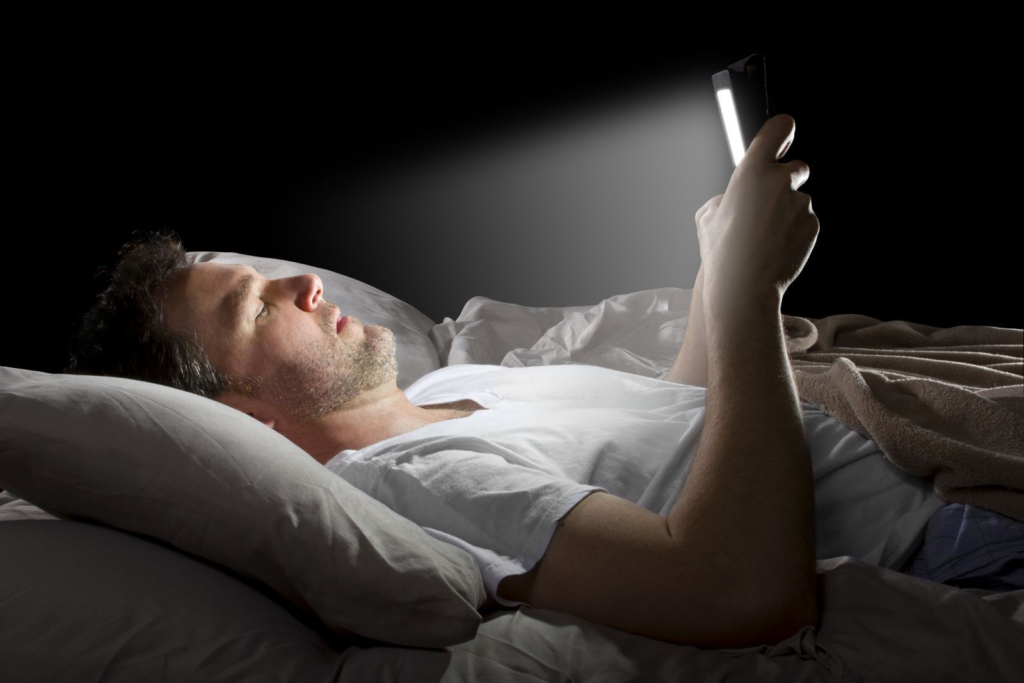
Staying up late — especially scrolling your phone — feels harmless. It gives you a sense of freedom, entertainment, and personal time. But your body is quietly absorbing the cost. This single habit affects your hormones, metabolism, mental health, immune system, mood, and cognitive function.
Doctors aren’t urging people to stop because they’re trying to restrict them.
They’re urging them because this habit affects nearly every system of the body.
Fixing your sleep schedule won’t just make you healthier — it will completely transform your mood, productivity, energy, weight, and life satisfaction.
Your health begins the moment you decide to prioritize rest again.