
Millions of Americans struggle with sleep, but doctors say the real causes are often hidden. Beyond screens and stress, five surprising saboteurs—ranging from cortisol surges to neurological hyperarousal—quietly disrupt your sleep cycle every night. This comprehensive guide explains these overlooked triggers, backed by medical insights, real-life examples, and actionable solutions to help you finally sleep deeply and consistently.
Why Americans Still Can’t Sleep (Even When They Think They’re Doing Everything Right)
Sleep problems are at an all-time high. The CDC reports that 1 in 3 adults in the U.S. do not get the recommended 7 hours of sleep. Most people blame familiar factors—too much screen time, caffeine, stress, or busy schedules.
But doctors reveal a deeper truth:
The biggest disruptors of your sleep are often the ones you don’t even know exist.
These hidden saboteurs work silently in the background, hijacking your sleep cycle without obvious symptoms. You can change your mattress, reduce your coffee, and avoid devices—yet if these deeper triggers go unaddressed, your sleep will never fully improve.
Below, you’ll discover the five most overlooked but medically significant reasons you’re not sleeping well, supported by doctor insights, relatable real-world stories, and practical solutions you can implement tonight.
1. Hidden Cortisol Cycling: The Stress Response You Don’t Feel (But Your Body Does)
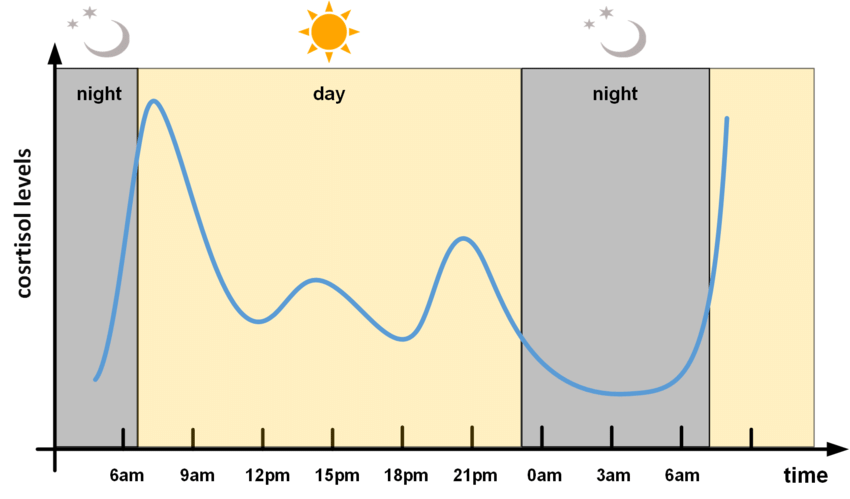
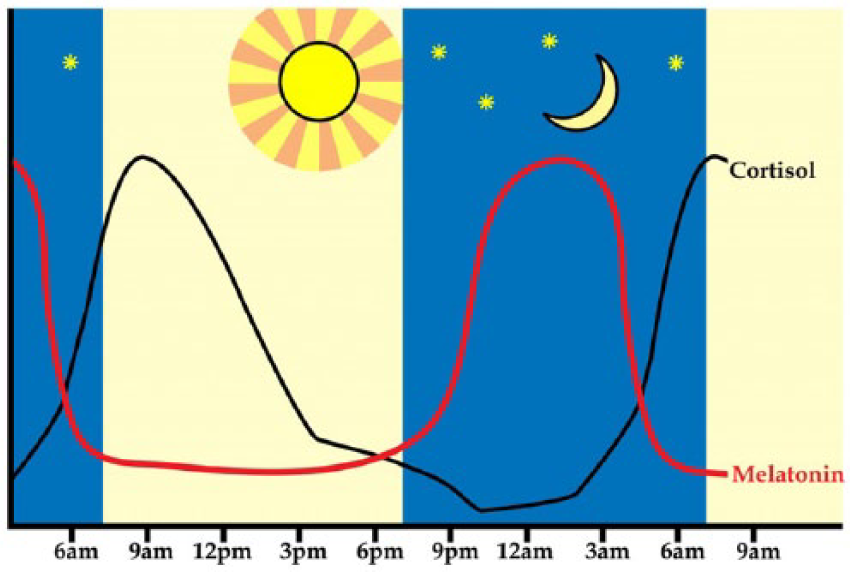
Most people think cortisol spikes only when they’re stressed. But doctors explain that cortisol follows a 24-hour rhythm, and modern lifestyles frequently cause a second, unexpected spike late at night—long after you think you’ve “calmed down.”
Why This Matters
When cortisol surges at night, it can:
- Delay melatonin release
- Make your mind race
- Increase heart rate
- Cause shallow or fragmented sleep
- Trigger middle-of-the-night awakenings
Real-Life Example
Erin, 32, believed she had insomnia. She exercised, avoided caffeine, and tried everything from magnesium supplements to melatonin. But her doctor discovered a pattern: she checked work emails around 10 p.m.
This small habit triggered a cortisol surge
→ which delayed her melatonin
→ which pushed her sleep cycle back by hours.
One week of no nighttime email checking, and she reported falling asleep faster than she had in months.
Signs You Have Hidden Cortisol Cycling
- You’re tired all day but alert at night
- You get a “second wind” after 9 p.m.
- You wake up between 2–4 a.m.
- Your mind won’t shut off even when your body feels exhausted
What Doctors Recommend
- Avoid stimulating tasks after 8 p.m.
- Dim overhead lights to encourage melatonin
- Practice slow breathing or stretching before bed
- Keep a consistent “digital cutoff time” at night
2. Micro-Inflammation From Food Sensitivities You Aren’t Aware Of
This is one of the most surprising saboteurs.
Even without recognizable allergies, minor food sensitivities can trigger low-grade inflammation—raising your internal temperature and making sleep difficult.
Common Nighttime Offenders
- Dairy
- Sugar
- Gluten-heavy foods
- Spicy meals
- Deep-fried or oily foods
- Artificial sweeteners
Real-Life Example
Mike, 44, loved eating yogurt after dinner. He didn’t know he had a mild lactose sensitivity. Instead of digestive symptoms, his reaction appeared as:
- Middle-of-the-night awakenings
- Hot flashes
- Restlessness
- Very light sleep
After eliminating dairy in the evening, he experienced dramatically improved sleep within five days.
How Food Impacts Sleep
Doctors explain that:
- Digestion raises core body temperature
- Inflammation triggers stress responses
- Your nervous system stays alert
- Your REM cycles shorten
What You Can Do
- Eat your last full meal at least 3 hours before bed
- Keep a food/sleep diary for 7–10 days
- Reduce dairy and sugar at night
- Avoid late-night snacking
3. Poor Bedroom Air Quality: A Hidden Disruptor Most Americans Don’t Think About
Doctors say air quality is one of the most underestimated sleep factors.
The EPA reports that indoor air can be 2–5 times more polluted than outdoor air. All of that dust, mold, and chemical residue circulates in your bedroom—and you inhale it for 7–8 hours straight.
Symptoms of Poor Sleep Air Quality
- Morning headaches
- Congestion
- Dry throat
- Snoring or mouth breathing
- Feeling tired even after a full night’s sleep
Real-Life Example
Sara, 26, constantly woke up with headaches and a dry throat. After multiple tests, a sleep specialist recommended checking her bedroom environment. Her AC filter was clogged with dust and spores, releasing allergens overnight.
A clean filter + a HEPA purifier transformed her sleep within days.
Common Air Quality Sleep Saboteurs
- Scented candles
- Old carpets
- Dirty AC vents
- Mold in corners
- High indoor humidity
- Low ventilation
Doctor-Approved Solutions
- Use a HEPA air purifier
- Change air filters every 60 days
- Avoid synthetic fragrances
- Wash pillowcases twice a week
- Maintain bedroom humidity at 40–50%
4. Circadian Mismatch: When Your Body Clock and Lifestyle Don’t Agree
Your circadian rhythm is your internal 24-hour clock. It regulates:
- Sleep
- Hormones
- Body temperature
- Mood
- Digestion
But many people unknowingly force their body into schedules it wasn’t meant for, creating a mismatch.
What Causes Circadian Mismatch
- Irregular sleep patterns
- Staying up late on weekends
- Eating dinner at unpredictable times
- Inconsistent light exposure
- Shift work
- Excess screen exposure at night
Real-Life Example
Daniel, 29, slept 8 hours most nights but still felt exhausted. His bedtime fluctuated between 10 p.m. and 2 a.m.
His brain simply didn’t know when to release melatonin.
Once he set strict sleep-wake times for 14 days straight, his energy levels skyrocketed.
How to Realign Your Clock
- Maintain the same wake-up time every day
- Get sunlight within 30 minutes of waking
- Avoid late-night meals
- Keep nighttime lighting dim
- Stop long naps
5. Neurological Hyperarousal: The “Always On” Brain Syndrome
This is one of the most common causes of chronic insomnia—yet one of the least recognized.
Doctors describe neurological hyperarousal as a state where the brain remains in alert mode, even when the body is tired.
Symptoms of Hyperarousal
- Racing thoughts
- Overthinking at night
- Replay of conversations
- Worrying about tomorrow
- Feeling mentally “wired,” not tired
Real-Life Example
Lola, 41, tried every sleep remedy—nothing worked. Finally, a sleep neurologist explained she was experiencing cognitive arousal, not insomnia.
Her brain wasn’t willing to power down.
After incorporating nightly journaling + mindfulness breathing, her sleep transformed within weeks.
Doctor-Recommended Solutions
- Create a pre-sleep “brain dump”
- Practice calming breathwork
- Avoid doomscrolling after sunset
- Reduce caffeine after 2 p.m.
- Use calming evening routines
Trending Search Questions Americans Are Asking (With Answers)
Why do I feel tired even after 8 hours of sleep?
Likely due to poor sleep quality. Hidden cortisol spikes, breathing issues, or inflammation disrupt deep and REM sleep.
Why do I wake up at 3 a.m. every night?
Often caused by cortisol fluctuations or a drop/spike in blood sugar.
Why does my brain race at night?
This is neurological hyperarousal—a common but overlooked insomnia trigger.
What foods ruin sleep the most?
Sugar, alcohol, dairy, and late-night heavy meals.
Why is my bedroom affecting my sleep?
Air quality, humidity, or allergens may be disrupting your breathing.
10 Most-Asked FAQs About Hidden Sleep Saboteurs
1. What’s the number one hidden reason for poor sleep?
Nighttime cortisol spikes due to stress or overstimulation.
2. How do I fix my circadian rhythm fast?
Morning sunlight + consistent sleep/wake timing.
3. Can inflammation really impact sleep?
Yes. Inflammatory responses raise body temperature and disrupt deep sleep.
4. What temperature should my bedroom be?
Experts recommend 60–67°F (15–19°C).
5. Why do I wake up hot every night?
Likely inflammation, food sensitivities, or poor room ventilation.
6. How do I stop overthinking before sleep?
A nightly brain-dump journal + grounding techniques.
7. Does drinking water at night ruin sleep?
Too much water before bed causes nighttime urination.
8. Can my pillow actually affect sleep?
Absolutely—poor neck alignment disrupts REM cycles.
9. How do doctors diagnose sleep issues?
Sleep diaries, hormone tests, and polysomnography.
10. Should I use melatonin every night?
Short-term use is fine; long-term dependence is discouraged.
Final Thoughts: You Can Fix Your Sleep Faster Than You Think
Sleep problems feel overwhelming, but the truth is this:
Once you identify the real, hidden cause, your sleep can improve dramatically—and quickly.
Tonight, try focusing on:
- Lowering nighttime stimulation
- Keeping consistent bedtimes
- Improving air quality
- Avoiding inflammatory foods
- Calming your brain before bed
Small shifts can lead to massive improvements.