
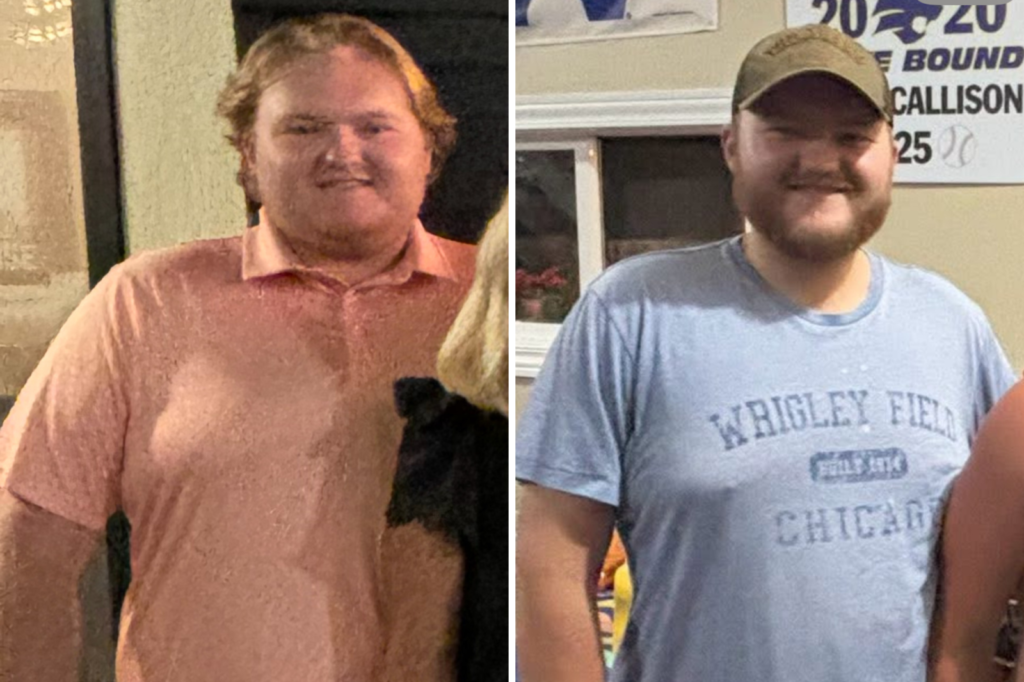
A new wave of Gen Z weight-loss habits—focused on metabolic health, protein-forward meals, walking, wearable tech, and gentle lifestyle routines—is quietly transforming how Americans of all ages approach weight management. Unlike fad diets, this method is sustainable, science-backed, and adaptable. Older adults are adopting the trend because it improves metabolism, energy, sleep, and long-term health without extreme exercise or harsh restrictions.
Why the Weight-Loss Trend Taking Over Gen Z Could Surprise Older Adults Too
Introduction: A Cross-Generational Wellness Shift
When most people hear the words “Gen Z” and “weight loss” in the same sentence, they imagine social media aesthetics or quick-fix fads. But the truth is more surprising: Gen Z has created one of the most sustainable and science-backed weight-loss movements of the last decade—and older adults are benefiting from it as much as (or even more than) the younger generation.
Today’s top weight-loss trends aren’t about extremes. They’re about metabolic intelligence, protein-first eating, mental health, wearable tech, and low-effort consistency. This new approach is proving to be effective, accessible, and naturally sustainable, especially for people in their 40s, 50s, and 60s who want results without punishing workouts or restrictive diets.
This long-form guide breaks down why Gen Z’s method works, how older adults are adopting it, the science behind the trend, and practical steps anyone can start using today.
Why Is Gen Z Losing Weight Differently Than Previous Generations?
Gen Z has rejected extreme dieting and replaced it with a “smart wellness” model built on:
- Metabolic tracking
- High-protein nutrition
- Low-intensity exercise (especially walking)
- Sleep optimization
- Stress reduction
- Gentle, non-restrictive daily routines
- Digital accountability through wearables and apps
A notable Cleveland Clinic report found that 54% of Americans under 30 use wearable devices for health tracking—more than double the rate of adults over 50. This is a major reason Gen Z sees progress faster: they can measure their habits in real time.

But here’s the twist—older adults who adopt the same tools see results just as quickly.
Why Are Older Adults Adopting Gen Z Weight-Loss Habits?
The Gen Z approach is uniquely suited to people in midlife because it is:
- Low impact (joints stay safe)
- Metabolically supportive
- Easy to maintain with busy schedules
- Not dependent on intense gym sessions
- Centered around health, not deprivation
For older adults, this shift is a breath of fresh air.
Real-Life Example
Karen, 52, had spent years trying keto, low-fat, high-cardio routines, and detox challenges. Nothing lasted. After adopting her Gen Z daughter’s routine—10-minute post-meal walks, tracking protein, using a smart scale, and prioritizing sleep—she began losing weight consistently for the first time in over a decade.
This is what makes the trend unexpected: older adults often see even better results than Gen Z.
What Exactly Is the Gen Z Weight-Loss Trend?
The movement doesn’t have one official name, but it blends several modern health philosophies:
✔ Metabolic Optimization
Instead of focusing on “burning calories,” Gen Z works on improving their metabolism: eating sufficient protein, building lean muscle, and stabilizing blood sugar.
✔ Holistic Weight-Loss Design
Stress, sleep, hormones, digestion, and emotional health all play a role.
✔ Data-Driven Eating
Wearables + tracking apps create personalized feedback, making progress measurable and motivating.
✔ Low-Effort Movement
Walking and light strength work are the foundation, not intense cardio.
✔ Soft Lifestyle Routines
These include slow mornings, mindful meals, hydration routines, and stress-reduction practices.
Why Is Protein Central to Gen Z’s Weight-Loss Success?
Protein is the core of this trend for one simple reason: it works.
Research from the American Journal of Clinical Nutrition shows that protein increases satiety and boosts metabolism more than carbohydrates or fats, thanks to the thermic effect of food.
Gen Z prioritizes:
- 30g protein breakfasts
- High-protein snacks
- Balanced meals with lean protein at the center
- Protein-enhanced versions of comfort foods
Older adults benefit tremendously because protein supports:
- Muscle preservation
- Stable blood sugar
- Improved metabolic rate
- Hormone balance
Why Is Walking the “Hero Exercise” of This Movement?
Walking is highly effective for weight loss—and Gen Z has embraced it in a way earlier generations never did.
Scientifically Backed Benefits of Walking
- Reduces belly fat
- Lowers cortisol (stress hormone)
- Improves insulin response
- Boosts mood
- Protects joints
A JAMA study found that even 6,000 steps per day can reduce cardiovascular risk by up to 40%, especially in older adults.
The modern rebrand—like the viral “Hot Girl Walk”—may sound playful, but the habit delivers powerful results.
How Are Wearables Helping Older Adults Lose Weight?
Wearables such as Apple Watch, Fitbit, Oura Ring, Samsung Health Monitor, and Garmin devices provide real-time feedback, allowing users to track:
- Steps
- Sleep quality
- Heart rate variability
- Calorie burn
- Recovery
- Stress levels
- Eating windows
The data creates a positive feedback loop.
Real-Life Example
Rob, 61, described himself as “inconsistent” until he got a Fitbit.
“Seeing a simple green checkmark for daily activity made me want to keep going.”
He lost 26 pounds in under a year—without changing his diet drastically.
Why Is Metabolic Testing Trending Among Gen Z?
Gen Z has popularized metabolic tests like:
- Resting Metabolic Rate (RMR)
- VO₂ Max
- Fasting insulin
- Hemoglobin A1c
- Continuous glucose monitoring (CGM)
Older adults are particularly benefiting because these tests can uncover:
- Early insulin resistance
- Slowed metabolism
- Hormonal shifts
- Inflammation patterns
This allows for tailored nutrition, exercise, and lifestyle adjustments.
Is This Trend Safer Than Traditional Dieting?
Generally, yes. Unlike past trends, this method avoids:
- Extreme calorie cuts
- Long fasting windows
- Over-exercising
- Cutting entire food groups
- Risky supplements
Instead, it focuses on balance, data, and metabolic health—all crucial for successful weight loss at any age.
Core Principles of Gen Z’s Weight-Loss Trend (Pointer Section)
Key Behaviors Gen Z Uses for Weight Loss
- Eats 30 grams of protein at breakfast
- Walks 6,000–10,000 steps daily
- Prioritizes hydration
- Uses wearables for accountability
- Sleeps 7–9 hours
- Manages stress intentionally
- Eats whole foods most of the time
- Tracks simple metrics (not obsessively)
Key Behaviors Older Adults Are Now Copying
- Using smart scales
- Prioritizing protein and fiber
- Adding daily walks
- Avoiding extreme diets
- Meal prepping simple, balanced plates
- Using metabolic tests
- Practicing slow, mindful eating
How Can Older Adults Start Using This Trend Today?
Here’s the simple, science-backed starter plan:
- Start with steps
Aim for 5,000–7,000 steps a day. - Eat protein at every meal
30–40g per meal is ideal. - Use a wearable device
Track steps, sleep, and heart rate. - Walk after meals
Even 10 minutes improves blood sugar. - Optimize sleep
Bedtime consistency equals faster fat loss. - Lift light weights 2–3 times weekly
Builds metabolism-supporting muscle. - Adopt a “gentle lifestyle”
No perfection. No punishment. Just consistency.
10 FAQs: Most Searched Questions About This Trend

1. Why is Gen Z losing weight quickly?
Because they focus on metabolism, protein, sleep, and consistent movement—not extremes.
2. Is this weight-loss trend safe for older adults?
Yes. It is low-impact, sustainable, and supported by metabolic science.
3. Do wearables actually help with weight loss?
Studies show that users who track activity increase movement by 27%.
4. What wearable is best for weight loss?
Fitbit or Apple Watch for tracking; Oura Ring for sleep optimization.
5. Should older adults eat more protein?
Yes. Protein prevents muscle loss and boosts metabolism.
6. Is walking enough exercise for weight loss?
Absolutely—walking is highly effective, especially when paired with protein-rich meals.
7. Why does stress impact weight loss?
Stress elevates cortisol, which promotes fat storage (especially around the midsection).
8. How does sleep influence weight?
Lack of sleep increases hunger hormones and slows metabolic rate.
9. Should older adults use metabolic tests?
Yes—tests like fasting insulin and RMR reveal hidden metabolic issues.
10. What’s the biggest mistake older adults make?
Over-exercising while under-eating protein, which slows metabolism.