
Neuroscientists now confirm that just 15 minutes of mindfulness meditation per day can significantly improve brain function. Research shows it boosts memory, enhances focus, strengthens emotional regulation, and lowers stress hormones. This long-form article explores the science, real-life transformations, expert insights, and step-by-step guidance behind this practice—plus practical ways to integrate it into daily life.
Introduction
In today’s fast-paced world, mental fatigue, low focus, and chronic stress have become nearly universal. People across the United States are searching for quick, realistic ways to improve mental clarity without relying on medication, supplements, or complex routines. Surprisingly, one of the most powerful brain-enhancing habits requires no equipment, no cost, and no more than 15 minutes per day.
That habit is mindfulness meditation—a practice recommended by neuroscientists, high-performance coaches, psychologists, and wellness experts alike.
Hundreds of peer-reviewed studies now show that mindfulness meditation can reshape neural pathways, reduce stress hormones, strengthen cognitive functions, and improve emotional stability. And the best part? You don’t need to meditate for an hour. Fifteen minutes is enough to create measurable change.
This article breaks down the science, the stories, the expert research, and the practical steps to help you begin and stay consistent.
Why Are So Many Americans Asking Whether Meditation Can Transform Their Brain?
Search trends reveal a surge in questions such as:
- “Can meditation really rewire the brain?”
- “How long does meditation take to work?”
- “Is 15 minutes of mindfulness enough for results?”
- “Does meditation help with anxiety or focus?”
- “What does meditation do to the prefrontal cortex?”
People want efficient, research-backed solutions that fit into their schedules. Fifteen minutes is short enough to be repeatable but long enough to trigger brain changes discovered in neuroscience imaging studies.
The Daily Practice: Mindfulness Meditation (Explained Simply)
Mindfulness meditation is the practice of focusing your attention on the present moment—usually your breath—while observing your thoughts without judgment. It trains the mind just like strength training trains the body.
Neuroscientists say mindfulness directly influences the prefrontal cortex, the brain area responsible for executive function, decision-making, memory, and emotional control.
What Happens in the Brain During Mindfulness Meditation?
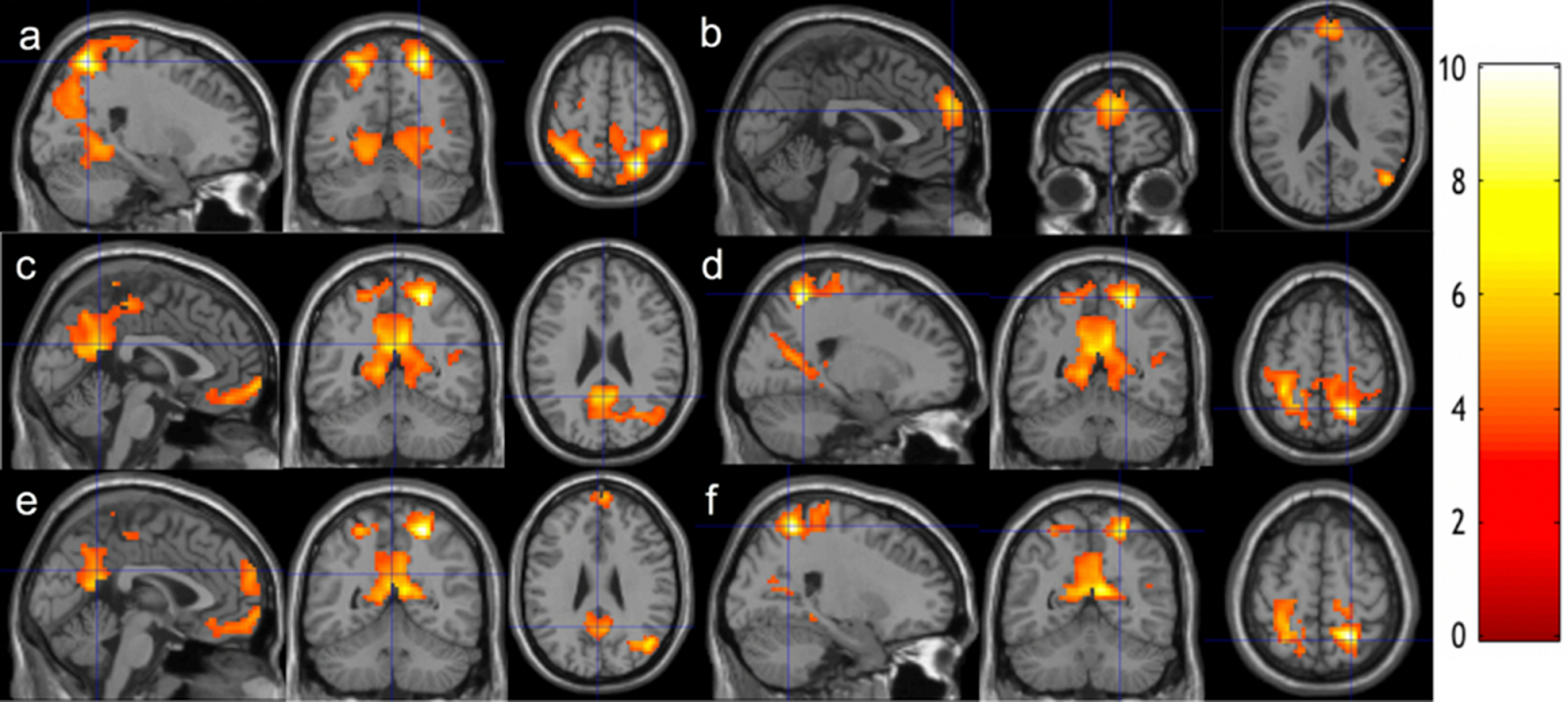
Scientific imaging has shown that meditation:
- Reduces activity in the amygdala, the center of fear and anxiety
- Strengthens the hippocampus, which supports memory
- Increases gray matter density
- Improves long-term attention span
- Calms the default mode network (DMN), which triggers overthinking
- Lowers cortisol levels linked to stress
- Enhances neural plasticity—the brain’s ability to rewire itself
A Harvard study led by Dr. Sara Lazar found that an 8-week meditation routine significantly increased gray matter volume—especially in regions associated with memory, awareness, and emotional regulation.
Stanford researchers reported a 22% reduction in stress and anxiety markers with short daily mindfulness sessions.
How 15 Minutes a Day Can Transform Your Brain (Backed by Neuroscience)
Fifteen minutes is not just a random number—it is the amount of time shown to produce consistent, measurable brain changes.
Cognitive Improvements
Most people report:
- Clearer thinking
- Sharper focus at work or school
- Better memory recall
- Faster problem-solving
- Improved decision-making
These improvements are linked to strengthened neural connections in the prefrontal cortex.
Emotional Benefits
Regular meditation helps regulate emotional responses. This means:
- Less reactivity
- Reduced irritability
- Increased patience
- Better stress tolerance
- Improved mood stability
Meditation teaches the brain to respond instead of react.
Physical Benefits
Although a mental practice, meditation impacts the body:
- Lower heart rate
- Reduced blood pressure
- Better digestion
- Improved immune response
- Better sleep quality
Many people say they feel “lighter,” “more centered,” or “more grounded” after meditating.
What Does a 15-Minute Mindfulness Session Look Like? (Easy Beginner Routine)
Here is a simple, guided structure you can follow anytime—even during a work break:
1. Sit comfortably
No special posture required—just keep your spine relaxed and supported.
2. Close your eyes and breathe slowly
Inhale for 4 seconds, exhale for 6. This activates your calming response.
3. Focus on your breath
Feel the sensation of air moving in and out.
4. When your mind wanders (it will), gently redirect it
This redirection is the core of mindfulness training.
5. Notice sensations without judgment
This strengthens emotional resilience.
6. End with gratitude or intention
This boosts serotonin and overall positivity.
Total time: 15 minutes.
Tools required: none.
Real-Life Transformations from 15 Minutes of Mindfulness
Case #1: The Overwhelmed Executive
A Chicago-based marketing manager experienced intense burnout, constant pressure, and decision fatigue. After adopting a 15-minute meditation routine each morning:
- She became calmer during meetings
- Anxiety levels decreased
- Sleep improved
- Her leadership evaluations rose
Her coworkers even commented that she seemed “more grounded and composed.”
Case #2: The College Student Who Struggled with Focus
A 19-year-old student found it hard to concentrate in lectures and retain information. Mindfulness improved his:
- Memory
- Retention
- Exam performance
- Study-time efficiency
He described it as “finally feeling like my brain was working with me instead of against me.”
Case #3: The Parent with Mental Exhaustion
A mother of two began using meditation to stay emotionally balanced. After one month:
- She felt more patient
- Stress decreased
- Emotional overwhelm dropped
- She regained mental clarity
- Family communication improved
For her, meditation became “like hitting a reset button every day.”
Why 15 Minutes Is the “Sweet Spot” for Brain Health
Researchers found that 15 minutes:
- Activates alpha brain waves
- Lowers cortisol
- Strengthens neural pathways for attention
- Reduces default mode network chatter
- Provides benefits equal to longer sessions for beginners
Consistency matters more than duration, making 15 minutes ideal for beginners and busy individuals.
How to Make Meditation a Daily Habit You Stick To
Practical Habit-Building Tips
- Tie meditation to an existing routine (morning coffee, before bed)
- Start with 5–8 minutes and expand
- Use guided meditations initially
- Track progress with a simple habit tracker
- Turn off notifications before starting
- Create a small “quiet corner” in your home
Best Meditation Apps
- Calm
- Headspace
- Insight Timer
- Balance
- Simple Habit
Top Benefits of 15-Minute Meditation (Quick Pointers)
- Strengthens the memory center
- Reduces emotional reactivity
- Lowers stress hormones
- Enhances attention span
- Improves sleep
- Boosts mood
- Builds mental resilience
- Helps regulate impulsive behavior
- Improves creativity
- Enhances overall cognitive flexibility
10 Frequently Asked Questions (FAQs)
1. Can 15 minutes of meditation really change the brain?
Yes. Multiple studies, including Harvard MRI research, show structural changes with consistent 15-minute sessions.
2. How long does it take to feel results?
Many feel calmer within a week. Structural changes start around week 4–8.
3. Is morning or evening meditation better?
Morning helps with focus and energy; evening helps with stress relief and better sleep.
4. Can meditation help with anxiety?
Yes. It reduces amygdala activation and lowers cortisol.
5. Can meditation improve focus for ADHD?
Research and clinical practice show improved attention, emotional regulation, and impulse control.
6. What if I can’t stop my thoughts?
You’re not supposed to stop them. The goal is noticing them and returning to your breath.
7. Do I need a quiet room?
It helps, but headphones or white noise can work anywhere.
8. Are guided meditations better for beginners?
Definitely. They provide structure and help with consistency.

9. Can meditation replace therapy?
No. It can support mental health but does not replace professional treatment when needed.
10. How do I know meditation is working?
You’ll feel calmer, less reactive, more focused, and more aware of your thoughts and emotions.
Final Thoughts
Fifteen minutes is enough to strengthen neural pathways, calm the stress response, improve focus, and boost emotional resilience. The benefits compound over time, turning a small daily habit into one of the most transformative practices for mental clarity and well-being. Whether you’re a student, parent, entrepreneur, or someone simply seeking more peace, mindfulness can help you reshape your brain—and your life.