
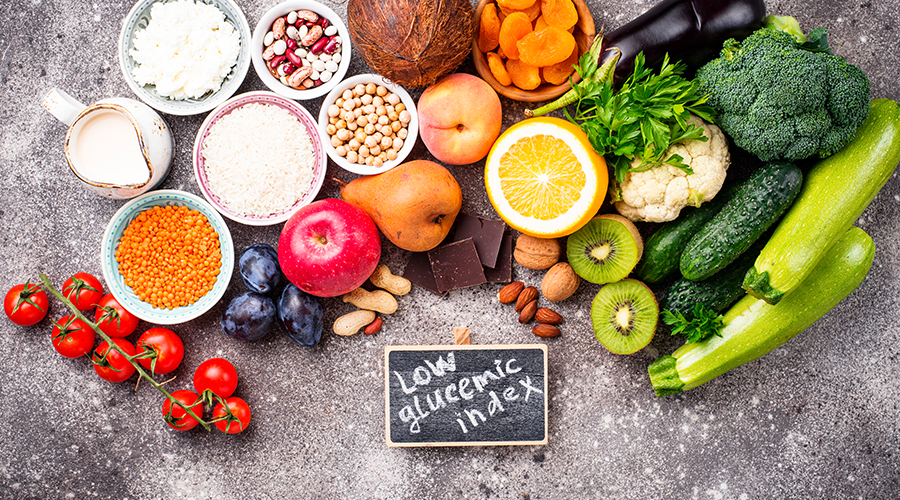
Millions of Americans struggle with unexplained fatigue and low motivation—and the root cause may be hiding in their own kitchen. This long-form article uncovers how added sugar, especially hidden sugars in everyday foods, disrupts energy, hormones, and metabolism. Learn the surprising symptoms, real-life examples, and evidence-backed ways to reclaim your natural energy and eliminate sugar-induced exhaustion.
Introduction
Fatigue has become one of the most frequently Googled symptoms in the United States. People blame stress, long work hours, lack of sleep, or aging for feeling tired all the time—but one of the most overlooked reasons for chronic exhaustion is also one of the most common ingredients in American kitchens: added sugar.
Not just pure sugar—the exhaustion-triggering category includes hidden sugars found in places most people never look. From salad dressings to bread, from flavored yogurt to “healthy” granola bars, sugar infiltrates foods disguised under names like maltose, dextrose, cane syrup, high-fructose corn syrup, fructose solids, evaporated cane juice, and more.
Americans are consuming far more sugar than their bodies are built to tolerate, leading to energy crashes, hormonal swings, brain fog, and long-term metabolic strain. What feels like chronic tiredness may actually be a steady stream of sugar-induced exhaustion.
Why Are So Many Americans Asking Whether Food Is Causing Their Fatigue?
Trending search queries like:
- “Why am I always tired even with enough sleep?”
- “Why do certain foods make me sleepy?”
- “Does sugar cause fatigue later in the day?”
- “Why do I crash after lunch?”
- “Does what I eat affect my energy levels?”
…have surged dramatically in the past couple of years.
Health professionals have long suspected that diet plays a significant role in unexplained tiredness, but now research is catching up. Studies show that glucose instability—a direct effect of excess sugar—is linked to daytime fatigue, metabolic burnout, stress hormone spikes, and even mood swings.
Simply put: Sugar disrupts the body’s natural energy production system, and most people consume it without realizing.
The Hidden Ingredient Sabotaging Your Energy: Added Sugar
Many Americans believe they don’t consume much sugar because they rarely eat candy or desserts. But research shows the average adult consumes over 17 teaspoons of added sugar daily, according to CDC estimates. The recommended intake? Only 6–9 teaspoons.
The real issue is hidden sugar, not the sugar you see.
It is quietly added to foods that don’t even taste sweet.
How Sugar Disrupts Your Energy System
Sugar contributes to fatigue through:
- Rapid blood sugar spikes
- Sudden crashes
- Hormonal fluctuations
- Increased inflammation
- Gut imbalance
- Mitochondrial stress
- Insulin surges
- Stress on the nervous system
When these systems are on overload, the body simply cannot produce stable, long-lasting energy.

Where Sugar Hides in Your Kitchen (And Why It Matters)
Most people underestimate their sugar intake by 50–70%, according to nutritional audits.
Here are the most common kitchen items where sugar hides:
- Ketchup
- Pasta sauce
- Bread (especially commercial whole wheat)
- Instant oatmeal
- Flavored yogurt
- Granola bars
- Cereal
- Peanut butter
- Coffee creamers
- Fruit juices
- Smoothie bases
- Bottled marinades and dressings
- Canned soups
- Crackers
- Frozen meals
These foods may look innocent, but many contain 7–20 grams of added sugar per serving—enough to disrupt energy levels throughout the day.
Real-Life Example:
A New Jersey school teacher couldn’t understand why she felt so exhausted every afternoon. Her meals seemed healthy. But after tracking her food for three days, she learned she was consuming:
- 12g sugar from flavored oatmeal
- 8g sugar from her “natural” peanut butter
- 15g sugar from her coffee creamer
- 9g sugar from salad dressing
By changing just these four items, she reduced her daily sugar intake by 44 grams—and her energy stabilized within two weeks.
How Sugar Causes Fatigue: A Science-Backed but Easy-to-Understand Breakdown
1. Blood Sugar Spikes and Crashes
Sugar raises blood glucose rapidly, giving a burst of energy.
However, the body releases insulin in response, often pulling glucose down too far.
Result?
A sudden drop that leads to:
- Sleepiness
- Shakiness
- Irritability
- Brain fog
- Cravings (especially carbs)
This “rollercoaster” is one of the most common causes of fatigue.
2. Mitochondrial Slowdown
Mitochondria are your body’s energy factories.
Excess sugar causes oxidative stress, which injures mitochondria over time.
Damaged mitochondria = less efficient energy production = chronic exhaustion.
3. Inflammation
High sugar intake increases inflammatory markers such as CRP.
Inflammation forces the body to work harder to maintain basic functions, leaving you feeling tired and drained.
4. Hormonal Disruption
Sugar affects:
- Cortisol (stress hormone)
- Leptin and ghrelin (hunger signals)
- Serotonin and dopamine (mood regulators)
These hormonal shifts can lead to mental exhaustion, emotional instability, and even sleep disruption.
5. Gut Imbalance
Sugar feeds harmful gut bacteria and yeast, creating dysbiosis.
Poor gut health affects:
- Nutrient absorption
- Energy production
- Mood
- Immune function
Stanford research links poor gut composition directly to fatigue and impaired cognitive abilities.
10 Hidden Signs Your Fatigue Is Actually Sugar-Related
Many people don’t recognize these symptoms because they seem normal:
- Feeling tired after eating
- Waking up tired despite enough sleep
- Needing caffeine multiple times a day
- Afternoon energy crash
- Brain fog or reduced focus
- Sudden irritability
- Cravings for sweets or bread
- Feeling shaky or lightheaded between meals
- Increased heart rate after eating
- Lack of motivation or mental slump
If two or more resonate, sugar could be the underlying culprit.
Real Stories of People Who Reclaimed Their Energy by Reducing Sugar
Case Study 1: The Afternoon Zombie
A 34-year-old office manager from Denver thought her job burnout caused her daily 3 PM crash.
She later found the true cause:
- Sweetened yogurt
- Honey-granola cluster snacks
- Flavored coffee creamer
Once she replaced them with low-sugar alternatives, her afternoon slump disappeared in nine days.
Case Study 2: The Fit Man With No Energy
A Texas firefighter drank three “healthy” smoothies a day—but they included fruit juices, sweetened protein powder, and honey.
Once he eliminated hidden sugars, he described feeling “awake for the first time in years.”
Case Study 3: The Busy Mom Running on Empty
Her daily foods seemed harmless:
- Instant oatmeal
- Tomato soup
- Store-bought marinades
- Peanut butter
But these quietly delivered over 40 grams of added sugar each day.
By switching to low-sugar versions, her energy returned within two weeks.
How to Tell if Sugar Is Causing Your Fatigue (A Simple Self-Test)
Ask yourself:
- Do you feel tired shortly after meals?
- Do you crave sugar when exhausted?
- Does delaying meals make you irritable or foggy?
- Do you feel jittery or shaky before eating?
- Does caffeine only help for 20–30 minutes?
- Do you crash in the afternoon every day?
If you answered yes to at least three, sugar-related fatigue is very likely.
How to Reduce Sugar Without Feeling Deprived
Here are practical steps to lower consumption without feeling restricted:
- Replace flavored yogurt with plain Greek yogurt + fruit
- Use spices like cinnamon or vanilla for natural sweetness
- Choose coffee creamers with zero added sugar
- Swap sugary sauces with low-sugar varieties
- Read labels: aim for <5g added sugar per serving
- Avoid “low-fat” foods—most add more sugar to compensate
- Replace fruit juice with whole fruit
- Prepare smoothies using whole produce instead of juice
Most people feel noticeably more energetic within 7–14 days.
10 FAQs About Sugar and Fatigue (Highly SEO-Optimized)
1. Can sugar really make you tired even if you sleep well?
Yes. Sugar destabilizes blood glucose, triggering crashes that mimic exhaustion.
2. Why do I feel sleepy after eating something sweet?
A rapid insulin spike pulls blood sugar down too quickly, causing fatigue.
3. Does cutting sugar improve overall energy?
Absolutely. Most people report better energy, stable mood, and fewer crashes.
4. Can sugar cause brain fog?
Yes. Blood sugar swings disrupt cognitive function and neurotransmitters.
5. What kitchen foods contain the most hidden sugar?
Condiments, bread, granola, flavored yogurt, sauces, soups, and creamers.
6. Does fruit cause fatigue?
Whole fruit usually does not—fiber slows absorption. Fruit juices, however, can.

7. Can reducing sugar improve mood and focus?
Yes. Stabilized blood glucose supports serotonin and dopamine balance.
8. Why doesn’t coffee help my fatigue anymore?
Sweetened creamers or added sugar may cause mid-morning glucose crashes.
9. How long until I feel better after cutting sugar?
Most people feel more energetic in 7–14 days as blood sugar stabilizes.
10. Is honey or brown sugar better than white sugar for energy?
Not significantly. All added sugars cause similar blood sugar spikes.
Final Thoughts
Fatigue is not always a sleep issue. Often, it’s a sugar issue. Hidden sugars infiltrate everyday foods, creating a cycle of energy spikes and crashes that leave millions feeling tired, irritable, foggy, and unmotivated. The good news?
With a few simple kitchen swaps and label checks, you can stabilize your energy, improve your mood, and reclaim control over your day—naturally.