
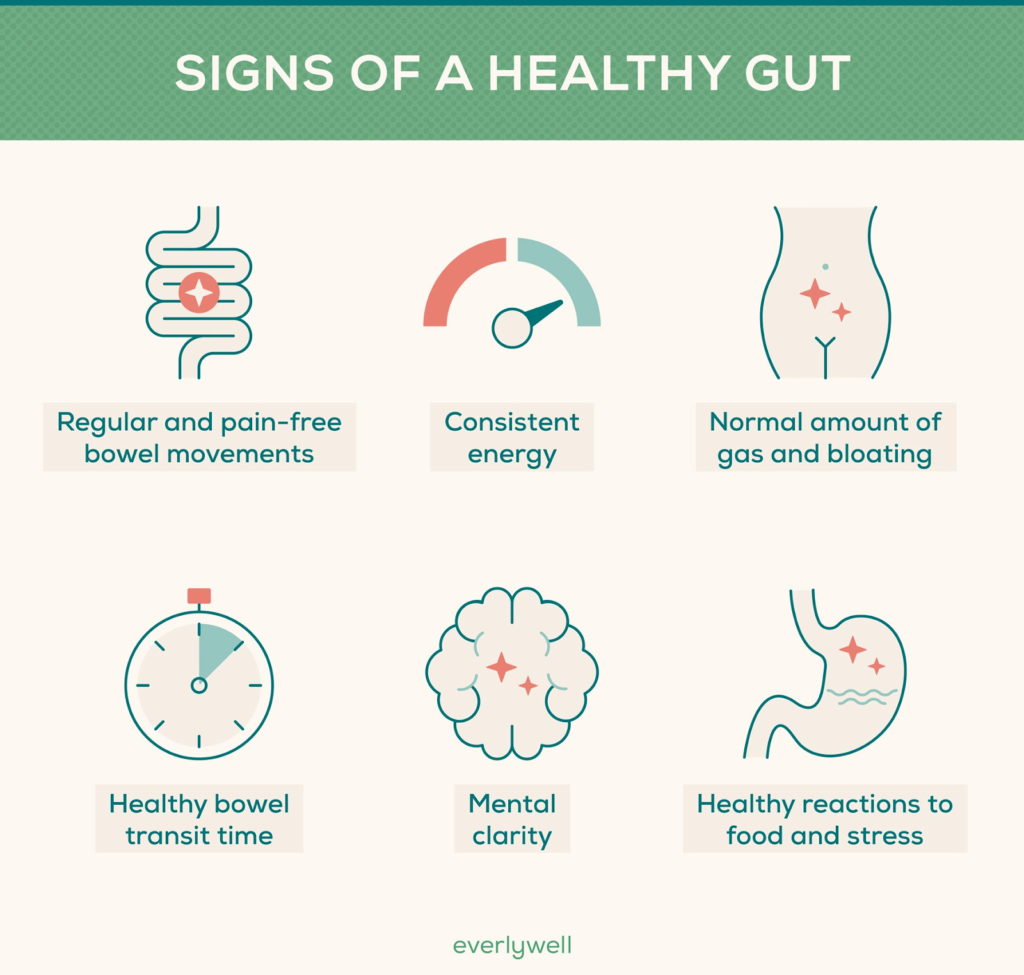
Millions of Americans struggle with gut-related symptoms without realizing the root cause. Issues like fatigue, mood swings, cravings, skin flare-ups, and brain fog often signal underlying digestive imbalance. This article reveals the unexpected signs your gut is asking for help, supported by science-backed research, real-life examples, and practical solutions you can begin today to restore gut balance and improve whole-body health.
Introduction
Gut health has become one of the most widely discussed topics in wellness, yet most people still miss the early signs that their digestive system is struggling. You might assume your symptoms—fatigue, cravings, bloating, breakouts, mood dips—are caused by stress or aging. But doctors and nutrition researchers increasingly agree: your gut often sends warning signals long before you realize something is wrong.
The American Gastroenterological Association reports that 70 million Americans experience digestive issues every year. But gut imbalance doesn’t always look like obvious stomach problems. Because the gut is closely connected to your brain, immune system, hormones, metabolism, and skin, the symptoms can be surprisingly far-reaching.
In simple terms:
Your gut speaks through your body—and when it’s unhappy, you feel it everywhere.
This comprehensive guide breaks down the surprising, overlooked, and misunderstood signs that your gut needs attention—and offers actionable ways to support it.
Why Does Gut Health Affect So Many Parts of the Body?
Your gut isn’t just a digestive tube. It’s a complex ecosystem home to trillions of bacteria, fungi, and microorganisms collectively known as the microbiome.
Your gut regulates:
- Immunity (70% of immune cells live in the gut)
- Mood (95% of serotonin is produced in the gut)
- Hormones
- Metabolism
- Inflammation
- Nutrient absorption
- Skin health
- Brain function
That means when the gut becomes imbalanced—through stress, processed food, antibiotics, poor sleep, or low-fiber diets—your entire body pays the price.
What Surprising Symptoms Indicate Your Gut Is in Trouble?
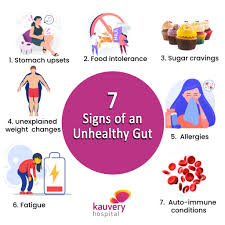
Here are ten signs your gut may be “screaming” for help, even if you don’t have classic digestive discomfort.
1. Chronic Fatigue and Low Energy
One of the most overlooked signs of gut imbalance is exhaustion.
When the microbiome is unhealthy, the body struggles to absorb nutrients properly, leading to deficiencies—even if you eat well.
A Harvard report found that 95% of serotonin, the neurotransmitter linked to energy, mood, and sleep, is produced in the gut. If your gut is inflamed or unbalanced, serotonin levels drop, leaving you fatigued and unmotivated.
Real-life example:
Lena, a 34-year-old professional, experienced constant tiredness despite eight hours of sleep. After focusing on gut repair—adding probiotics, fiber, and reducing processed foods—her energy dramatically improved within weeks.
2. Brain Fog and Poor Concentration
If you struggle with forgetfulness, mental cloudiness, or an inability to focus, your gut may be the hidden culprit.
Scientific research in Frontiers in Neuroscience shows that gut dysbiosis impacts cognitive function through the gut-brain axis.
Inflammation in the gut sends inflammatory signals to the brain, making clear thinking harder.
3. Mood Swings, Anxiety, or Irritability
Your mental health is tied closely to your gut health.
Because the gut produces neurotransmitters, including serotonin and dopamine, imbalance can lead to:
- Irritability
- Emotional sensitivity
- Anxiety
- Low mood
The Anxiety and Depression Association of America highlights a strong correlation between gut disorders and mood symptoms.
Many people seek therapy for mood swings when part of the solution lies in improving the gut.
4. Frequent Headaches or Migraines
Gut imbalance, especially food sensitivities and inflammation, can trigger headaches.
Constipation can also lead to headaches due to toxin buildup.
If you regularly reach for painkillers, your gut may be asking for attention.
5. Intense Cravings—Especially for Sugar
When harmful gut bacteria dominate, they demand sugar. Literally.
These bacteria produce chemical signals that influence your cravings.
If you constantly crave sweets—especially late at night—your microbiome may be unbalanced.
This isn’t a lack of willpower. It’s a biological response.
6. Skin Problems: Acne, Eczema, or Rashes
Your skin reflects your gut.
When the gut lining is compromised (a condition commonly called “leaky gut”), particles leak into the bloodstream, triggering inflammation.
This inflammation often shows up as:
- Acne
- Rosacea
- Red bumps
- Eczema
- Dry patches
- Random rashes
The Journal of Dermatology notes a significant connection between gut health and skin flare-ups.
If skincare isn’t fixing your issues, your gut likely needs care.
7. Unexplained Weight Gain or Difficulty Losing Weight
Even if you eat well, gut imbalance can make weight loss difficult.
Here’s why:
- Bad bacteria increase inflammation
- Inflammation makes insulin less effective
- Insulin resistance causes fat storage
- Gut imbalance slows metabolism
A Nature study found people with low microbiome diversity gained more weight on the same diet as those with healthy guts.
8. Seasonal Allergies and Sensitivity to Smells
Your gut helps regulate immune response.
When out of balance, your immune system becomes overactive.
This leads to:
- Stronger allergies
- Sensitivity to odors
- Worsened asthma
- Frequent sinus issues
If your allergies worsen every year, your gut may need intervention.
9. Joint Pain and Muscle Aches
Inflammation caused by gut imbalance doesn’t stay in the digestive tract.
It often travels to joints and muscles.
People with chronic gut issues frequently experience:
- Morning stiffness
- Soreness
- Random aches
- Persistent joint pain
Improving gut health often reduces overall inflammation.
10. Bloating, Gas, or Irregular Bowel Movements
The most obvious sign is still important.
But many people normalize:
- Daily bloating
- Constipation
- Diarrhea
- Discomfort after meals
- Gas after eating
- Sharp stomach cramps
These should not be considered “normal.”
They are early warnings of gut imbalance.
Why These Symptoms Matter (And Why You Shouldn’t Ignore Them)
Your gut influences virtually every system in the body.
When it’s unhealthy, ripple effects appear everywhere—emotionally, physically, and mentally.
Ignoring gut symptoms for too long can lead to:
- Chronic inflammation
- Autoimmune disorders
- Skin diseases
- Hormonal imbalances
- Long-term digestive disorders
The earlier you pay attention, the faster you can repair.
How Do You Know Your Gut Needs Help? (Simple Checklist)
If you say “yes” to any 3 of these, your gut is likely imbalanced:
- Daily bloating or discomfort
- Cravings for sugar
- Fatigue after meals
- Mood instability
- Brain fog
- Constipation or diarrhea
- Skin flare-ups
- Trouble losing weight
- Food sensitivities
- Joint pain
How to Start Healing Your Gut (Doctor-Recommended Strategies)
You don’t have to overhaul your entire lifestyle. Small shifts make big differences.
Step 1: Increase Fiber Slowly
Fiber feeds healthy bacteria and improves digestion.
Sources include:
- Oats
- Berries
- Leafy greens
- Chia seeds
Step 2: Reduce Sugar and Processed Foods
These feed harmful gut bacteria and cause inflammation.
Step 3: Add Fermented Foods
These provide healthy probiotics naturally.
Great choices:
- Yogurt
- Kefir
- Kimchi
- Sauerkraut
- Miso
Step 4: Manage Stress
Chronic stress destroys good gut bacteria.
Try:
- Deep breathing
- Meditation
- Walking
- Journaling
Step 5: Get 7–9 Hours of Sleep
Your gut repairs itself during sleep.
Step 6: Take Probiotics and Prebiotics
These help restore microbiome balance, especially after antibiotics or illness.
Step 7: Stay Hydrated
Water supports digestion and detoxification.
Best Foods for Gut Repair
Your gut thrives on:
- Bananas
- Apples
- Ginger
- Garlic
- Salmon
- Bone broth
- Lentils
- Whole grains
Your gut struggles with:
- Alcohol
- Artificial sweeteners
- Fried foods
- Processed snacks
- Excess caffeine
Real-Life Story: Reversing Years of Symptoms
Michael, 42, lived with daily bloating, constant cravings, and eczema flare-ups.
Doctors prescribed creams for his skin and medication for digestion—but nothing changed.
After a nutritionist recommended focusing on gut repair, he shifted his diet and added probiotics. Within eight weeks:
- His skin cleared
- His digestion normalized
- His cravings disappeared
- His mood improved
- His energy returned
His gut was the missing puzzle piece.
Trending FAQs About Gut Health (10+)
1. What is the biggest sign of an unhealthy gut?
Chronic bloating or irregular bowel movements are the most common indicators.
2. Can stress damage the gut?
Yes—stress directly affects digestion and microbiome balance.
3. How long does it take to heal the gut?
Anywhere from 2 to 12 weeks with consistent lifestyle changes.
4. Can gut issues cause anxiety?
Absolutely. The gut produces most of the body’s serotonin.
5. Do probiotics actually work?
Yes, especially if taken consistently and paired with a healthy diet.
6. Can poor gut health cause skin issues?
Yes. Acne, eczema, and rashes often relate to gut inflammation.
7. Why do I crave sugar so much?
Because harmful gut bacteria feed on sugar and trigger cravings.
8. Are food sensitivities related to gut problems?
Often yes—gut inflammation can trigger new sensitivities.
9. Can gut imbalance cause weight gain?
Yes. Poor gut health affects metabolism and insulin.
10. What foods should I avoid to fix my gut?
Avoid processed foods, sugar, alcohol, and artificial sweeteners.
11. Is daily bloating normal?
No. Regular bloating is a sign of imbalance.
12. Can drinking more water improve gut health?
Yes—hydration supports digestion, motility, and detoxification.

Final Takeaway: Your Gut Speaks—Listen Before Problems Grow
Your gut is not just a digestive organ; it’s a powerful communication center affecting your brain, energy, weight, skin, mood, and immune system. Many people ignore the early signs—fatigue, cravings, brain fog, breakouts—until issues escalate. The good news? Gut health improves quickly when given support.
Even small changes can transform your daily life.
Your gut is talking. Now you know how to listen.